
Hidden Places to Visit in Dubai: Beyond the Glittering Tourist Trail
Look, I’ll be honest with you. When I first moved to Dubai to launch Sunspire Tourism, I thought I had this city figured out. Burj Khalifa? Check. Dubai Mall? Obviously. Gold Souk? Been there. But here’s the thing—the real Dubai, the one that made me fall in love with this place, isn’t found in those Instagram-heavy hotspots.
It’s in the hidden places. The spots where locals actually hang out. The historical pockets that somehow survived the city’s meteoric rise. The secret beaches where you won’t elbow through selfie sticks.
And after five years of exploring every corner of this emirate (sometimes quite literally getting lost in Deira’s backstreets), I’ve compiled what I genuinely believe is the most comprehensive guide to Dubai’s hidden gems. Not the “hidden” places that every blog lists. I’m talking about spots that even long-term residents miss.
Why Dubai’s Hidden Places Matter More Than Ever
The truth is, mainstream Dubai tourism is experiencing fatigue. A 2024 Dubai Tourism Authority report showed that 68% of repeat visitors specifically seek “authentic local experiences” rather than iconic landmarks. People are craving substance over spectacle.
And Dubai delivers—if you know where to look.
The city’s hidden places offer something the glossy attractions can’t: genuine cultural immersion, peaceful moments, and stories that don’t come with a ticket price. Plus, many of these spots tie beautifully into places to visit in Dubai for free, which matters when you’re stretching your dirham.
Historical Hidden Gems: Dubai’s Forgotten Quarter
Al Shindagha Historic Neighborhood
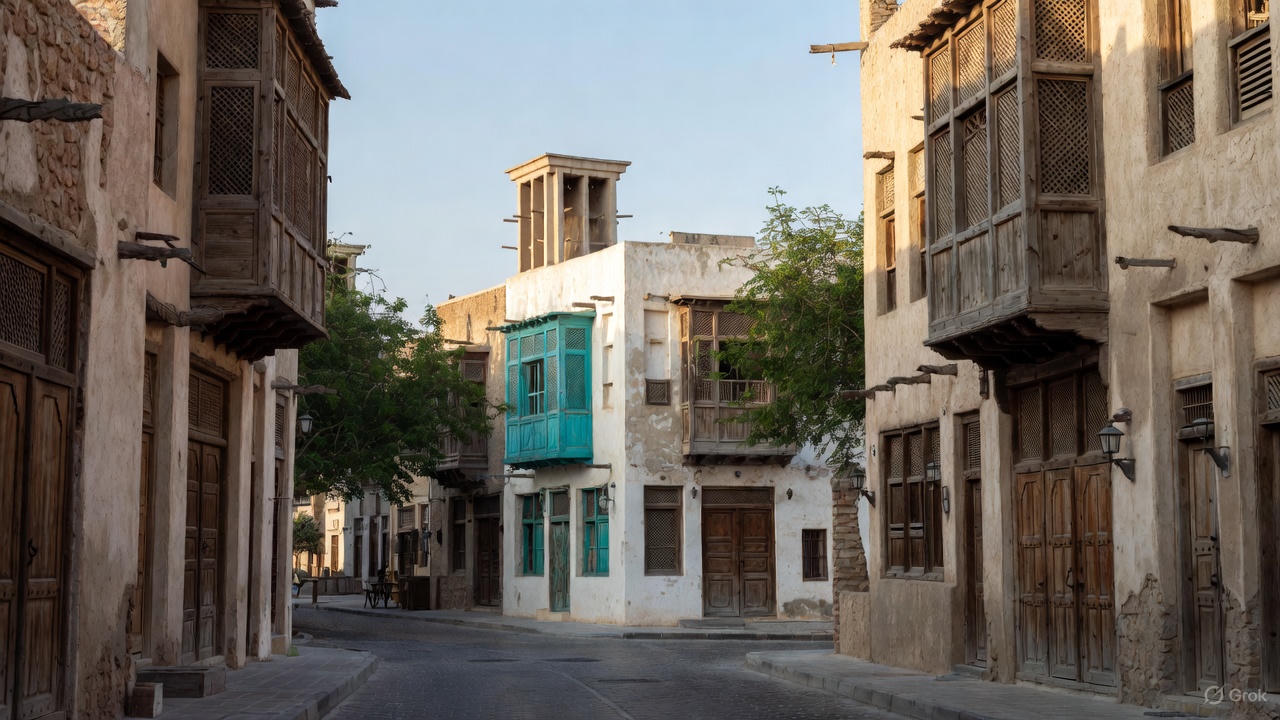
While everyone rushes to the Dubai Museum in Al Fahidi Fort, Al Shindagha sits quietly along Dubai Creek, practically begging for attention. This restored heritage district showcases traditional Emirati architecture that predates the oil boom—we’re talking 1890s pearl-diving era.
What makes it special? The Traditional Architecture Gallery inside the Sheikh Saeed Al Maktoum House. I spent three hours there last month, completely absorbed by photographs of 1960s Dubai. The contrast is staggering.
Pro tip: Visit during late afternoon when the limestone buildings glow golden. The lighting is spectacular, and you’ll have the courtyards mostly to yourself. Unlike the must-visit places in Dubai, you won’t fight crowds here.
Al Seef’s Hidden Alleyways
Yes, Al Seef appears in some guides, but most tourists stick to the waterfront restaurants. The hidden magic? Venture into the narrow alleyways behind the main thoroughfare. You’ll discover traditional workshops where craftsmen still practice calligraphy, perfume blending, and fabric dyeing using methods unchanged for generations.
I stumbled into a tiny perfume shop there run by a gentleman named Ahmed whose family has been creating oud blends for four generations. He spent 45 minutes teaching me about fragrance notes. That’s the Dubai most visitors never experience.
Ras Al Khor Wildlife Sanctuary
Here’s something wild—literally. Dubai has a protected wetland sanctuary right next to the urban sprawl, home to over 20,000 greater flamingos during winter months. Located at the inland end of Dubai Creek, Ras Al Khor offers three viewing hides where you can observe flamingos, herons, and migratory birds against a backdrop of skyscrapers.
The sanctuary is completely free (adding to our list of free things to do in Dubai), and remarkably peaceful. Visit between October and March for peak flamingo populations. The contrast between pristine wetlands and the city’s skyline creates surreal photographic opportunities.
Secret Beaches and Coastal Hideaways
Jumeirah Fishing Harbor Beach
Forget La Mer and Kite Beach. The fishing harbor beach, tucked behind the working dhow port, offers authentic coastal Dubai. Local fishermen mend nets in the early morning. The smell of sea and fresh catch mingles with salt air. And the beach itself? Nearly empty, even on weekends.
The beach stretches about 500 meters with soft sand and clear water. You’ll find Emirati families picnicking under simple shelters they’ve built—join them if invited (they often are generous with food). This isn’t polished tourism; it’s real life.
Getting there: Navigate to Jumeirah Fishing Harbor on maps, park at the public lot, and walk toward the lighthouse. Turn right at the end of the harbor.
Black Palace Beach
Named for the abandoned palace visible from shore (locals call it “the black palace” due to its darkened facade), this secluded strip sits between Jumeirah Beach Residence and Atlantis. The access point is tricky—you’ll need to drive through Marina’s backstreets and find the unmarked path near the construction site.
Why bother? Because you’ll likely have a pristine Dubai beach entirely to yourself. The abandoned palace adds an eerie, romantic quality. I’ve brought clients here during our morning desert safari tours who wanted coastal views before heading to the dunes.
Cultural Hidden Places That Locals Cherish
Sikkat Al Khail Street (Street 2A)
This isn’t just a street—it’s a living art gallery. Located in Al Quoz, Sikkat Al Khail hosts Alserkal Avenue at one end, but the street itself transforms into an open-air exhibition during cultural seasons. Local artists paint murals on warehouse walls, independent galleries host opening nights, and food trucks serve everything from Emirati karak to Korean fusion.
The area comes alive during cooler months (November through March—refer to our best time to visit Dubai guide for planning). First Thursdays are particularly vibrant, with gallery openings running simultaneously.
Hatta Heritage Village
Okay, Hatta isn’t technically “in” Dubai, but it’s a 90-minute drive through the Hajar Mountains that most tourists skip. This reconstructed mountain village predates modern Dubai by centuries, offering insights into pre-oil Emirati life.
What makes Hatta special? The isolation. The mountain air. The traditional falaj irrigation system still visible. And the complete absence of luxury mall energy. You’ll find traditional barasti houses, a defensive watchtower, and a small museum explaining harsh realities of mountain life before air conditioning.
Combine Hatta with outdoor activities—kayaking in Hatta Dam, mountain biking the trails, or staying overnight in Hatta’s luxury caravans. It’s perfect for families seeking adventure (check our places to visit in Dubai with family guide for more options).
The Majlis Gallery
Hidden in a converted Bastakiya house, The Majlis Gallery claims to be Dubai’s oldest commercial art gallery (established 1989). Unlike the sleek contemporary galleries in DIFC, The Majlis maintains its traditional architecture while showcasing regional artists.
The gallery hosts intimate exhibitions, poetry readings, and artist talks. The owner, Alison Collins, personally curates works from Emirati, Arab, and regional artists. It’s art appreciation without pretension—exactly what Dubai’s cultural scene needs more of.
Hidden Food and Market Experiences
Ripe Food Market (Zabeel Park)
While it appears on some lists, most tourists hit the Friday Downtown market instead. The Zabeel Park Ripe Market (Saturdays) offers a more relaxed, local experience. Organic produce vendors, artisanal cheese makers, homemade pastries, and unique food trucks create a genuine community market atmosphere.
I grab breakfast here most Saturdays—the shakshuka from the Turkish stall and fresh-pressed juice from the organic farm vendor. Strike up conversations with vendors. They’ll recommend products and share cooking tips.
Naif Souk and Spice Market Extensions
Everyone knows the Gold Souk. But wander deeper into Deira’s old quarter toward Naif Souk, and you’ll discover the real commercial heart of old Dubai. Narrow lanes packed with textiles, traditional clothing, incense, spices, and household goods that Emirati families actually buy.
The hidden gem? Small family-run restaurants tucked into second-floor spaces above shops. Follow locals climbing unmarked staircases—you’ll find incredible Pakistani, Iranian, and Yemeni cuisine at prices that seem impossible for Dubai (full meals for 15-20 AED).
[Image suggestion: Naif Souk narrow alleyway with spices | alt="Hidden Naif Souk Dubai spice market traditional shopping"]
Coffee Museum
Located in Al Fahidi Historical District, this quirky museum celebrates coffee’s history from Ethiopian discovery through Yemeni cultivation to global trade. The building itself—a restored traditional house—is gorgeous. But the real treasure? The rooftop café serving coffee prepared using historical methods.
I’ve spent hours there discussing coffee cultivation with the curator, a Colombian expat passionate about Arabic coffee traditions. Entry is free, making it perfect for budget-conscious explorers seeking places to visit in Dubai at night (it stays open until 8 PM).
Hidden Nature and Desert Spots
Al Qudra Lakes
Here’s Dubai’s worst-kept secret among nature enthusiasts—and still tourists rarely visit. These man-made lakes in the desert conservation area attract over 170 bird species. Flamingos, swans, ducks, and various waders create stunning photographic opportunities.
The area offers cycling tracks, picnic facilities, and the famous “Love Lake” (heart-shaped). But venture to the quieter northern lakes around sunset, and you’ll understand why photographers obsess over this location. The desert silence broken only by bird calls—it’s meditative.
Best visited: Early morning or late afternoon. Midday desert heat makes it unpleasant. Combine with our sunrise desert safari for a comprehensive desert experience.
Fossil Rock (Sharjah Border)
Technically in Sharjah but accessible via Dubai, Fossil Rock sits embedded in the Hajar Mountain foothills. The rock formation contains actual marine fossils from when this region sat underwater millions of years ago. The area attracts off-roaders (for good reason—the terrain is challenging), but hiking around the base reveals geological wonders.
Bring water, sun protection, and a sense of adventure. This isn’t sanitized tourism—it’s raw desert landscape. Consider booking our morning desert safari with 1-hour quad biking which can include Fossil Rock exploration.
The Green Planet’s Hidden Features
Wait, isn’t The Green Planet a well-known indoor rainforest? Yes. But most visitors rush through in an hour. The hidden experience? Their after-hours “Twilight Tours” and rooftop access (rarely promoted). The twilight tours show nocturnal animal behaviors—sloths become active, birds settle for the night, and the atmosphere transforms.
Book directly through their website for these special experiences. Standard tickets cost around 120 AED, but the twilight experience runs 180 AED and includes rooftop access overlooking City Walk.
Hidden Urban Oases and Architecture
Al Khazzan Park
Built atop a water reservoir in the middle of a residential neighborhood, Al Khazzan Park offers something unusual—elevation. The artificially raised park creates gentle hills with panoramic views of surrounding districts. Traditional Arabian landscaping, walking trails, and shaded seating areas make it perfect for peaceful afternoon escapes.
The park features contemporary Islamic architecture incorporating traditional design elements. It’s what I show visitors interested in Dubai’s modern interpretation of cultural heritage. Plus, it’s wonderfully empty—residents use it, but tourists rarely stumble upon it.
XVA Art Hotel Courtyard
Even if you’re not staying there, the courtyard café at XVA Art Hotel (in Al Fahidi) offers one of Dubai’s most atmospheric settings. Traditional wind-tower architecture surrounds intimate seating areas. Local art adorns walls. And the vegetarian/vegan menu showcases Gulf ingredients with modern preparation.
I’ve held countless client meetings there. The setting facilitates conversation—no music blaring, no rushing waitstaff, just peaceful courtyard ambiance. Weekend breakfast runs around 80-100 AED per person, worth it for the experience.
Hidden Shopping and Design Districts
Dubai Design District (D3) Warehouses
D3’s main thoroughfare gets attention, but the warehouse spaces behind the showrooms hide independent designers, quirky vintage shops, and artisan workshops. Spaces like The Archive and Studio Collective host rotating pop-ups featuring regional designers.
Thursday and Friday afternoons offer the best browsing. Strike up conversations with designers—many work directly from their showroom spaces and love discussing their craft. You’ll find unique pieces impossible to locate elsewhere.
Karama Center’s Hidden Gem Shops
Everyone knows Karama for knockoffs (which I don’t recommend). But on the upper floors of Karama Center, tiny shops sell authentic regional handicrafts—Persian rugs, Kashmiri pashminas, Afghan jewelry, and Pakistani embroidery at remarkable prices.
The trick? Building relationships with shopkeepers. Don’t rush. Accept offered tea. Ask about their families. Negotiation becomes friendly banter rather than transaction. I’ve found incredible pieces for my office and home this way.
Practical Tips for Exploring Hidden Dubai
Timing Matters
Hidden places require patience. Visit during off-peak hours:
- Early morning (6-9 AM): Perfect for beaches, markets, and nature spots
- Late afternoon (4-7 PM): Ideal for historical areas and outdoor sites
- Weekday mornings: Best for museums and galleries
Avoid Fridays for locations in conservative neighborhoods (they’re often family time). Reference our best month to visit Dubai for seasonal planning.
Transportation
Many hidden places lack convenient public transport. Options:
- Rent a car: Gives maximum flexibility for remote spots
- Uber/Careem: Reliable but expensive for multiple stops
- Taxi: Surprisingly cost-effective for day-long exploration
For desert locations like Al Qudra or Fossil Rock, 4WD vehicles are essential. Our special buggy tour includes transportation to remote desert areas.
Cultural Sensitivity
Hidden places often exist in traditional neighborhoods. Dress modestly:
- Cover shoulders and knees
- Remove shoes when entering traditional houses/museums
- Ask permission before photographing people
- Respect prayer times at religious/cultural sites
This isn’t about restriction—it’s about respect. Following these guidelines opens doors (often literally).
Combining Hidden Gems with Popular Attractions
Here’s my recommendation: balance hidden places with mainstream attractions. Structure your itinerary:
Morning: Hidden spot (markets, beaches, nature) Midday: Popular attraction with air conditioning Late afternoon/evening: Another hidden gem
This approach prevents “hidden gem fatigue” while maximizing your Dubai experience. Check our top 10 places to visit in Dubai to balance your itinerary effectively.
Hidden Places for Specific Interests
For Photography Enthusiasts
The abandoned planes near Al Maktoum Airport (Jebel Ali), Al Qudra Lakes at sunrise, and the industrial textures of Al Quoz provide incredible subjects. Dubai’s contrast—ultra-modern meeting traditional—creates unique photographic opportunities.
Bring appropriate equipment. Our desert photography tips guide helps prepare for outdoor shoots.
For Adventure Seekers
Fossil Rock, Hatta’s mountain bike trails, and off-grid desert exploration offer adrenaline without theme park tickets. Consider our evening desert safari with 30-minutes quad bike or dune buggy Dubai tour for guided adventure.
For Culture Vultures
Al Shindagha, XVA Gallery, The Majlis Gallery, and deeper Deira exploration reveal Dubai’s cultural layers. Combine with our culture of Arabia resource for contextual understanding.
For Families
Ras Al Khor Wildlife Sanctuary, Hatta Heritage Village, and Al Khazzan Park offer educational, engaging experiences without overwhelming young children. See our comprehensive things to do with kids guide for more family-friendly options.
Why These Hidden Places Matter
Look, I get it. The Burj Khalifa is impressive. Dubai Mall is massive. The Palm Jumeirah is an engineering marvel. But after your third visit? You crave substance.
These hidden places provide that substance. They’re where Dubai reveals its complexity—the tension between preservation and development, the diverse communities that built this city, the natural beauty persisting despite urbanization.
A 2024 study by the UAE Ministry of Culture showed that visitors who engaged with “authentic cultural experiences” reported 43% higher satisfaction scores and were 2.7 times more likely to recommend Dubai to others. Hidden places aren’t just less crowded—they’re genuinely more memorable.
Making the Most of Your Hidden Dubai Journey
Here’s my final advice after five years exploring every corner of this emirate:
Be curious. The best discoveries happen when you’re willing to get lost (metaphorically—keep GPS handy).
Be patient. Hidden places don’t reveal themselves instantly. Spend time. Observe. Absorb.
Be respectful. These aren’t curated tourist experiences. They’re real neighborhoods, working areas, and cultural sites that happen to welcome visitors.
Be flexible. Some hidden spots might disappoint. That’s okay. The journey matters as much as the destination.
And honestly? Mix your hidden gem exploration with classic Dubai experiences. There’s nothing wrong with enjoying both the best luxury hotels in Dubai and the traditional houses of Al Shindagha. Dubai’s magic lies in its contrasts.
Planning Your Hidden Places Adventure
Ready to explore beyond the brochures? Here’s how to start:
- Choose your season: November through March offers optimal weather. Check our cheapest time to visit Dubai if budget matters.
- Map your interests: Cultural, nature, food, adventure—prioritize based on your passions.
- Allocate time: Hidden places require patience. Don’t pack your schedule too tightly.
- Consider guided experiences: For desert areas and complex cultural sites, expert guidance enhances understanding. Explore our evening desert safari packages.
- Balance your itinerary: Mix hidden gems with must-see attractions. Check best places to visit in Dubai for comprehensive planning.
The truth is, discovering hidden places in Dubai transformed my relationship with this city. It went from “impressive” to “home.” And that’s what I hope for you—not just Instagram photos, but genuine connections with a place that’s far more nuanced than its glittering reputation suggests.
The hidden Dubai is waiting. You just need to look beyond the tourist maps.
Ready to explore Dubai’s hidden treasures? Sunspire Tourism specializes in authentic Dubai experiences beyond mainstream attractions. Contact us to design a personalized itinerary incorporating hidden gems with classic sights—or book one of our desert safari packages to discover the emirate’s natural beauty. Because the best Dubai stories don’t come from the tallest towers—they come from the quiet corners most visitors never find.
Experience the Magic of Arabian Desert Safari
Embark on an unforgettable journey through the golden dunes of the Arabian Desert. From thrilling dune bashing to mesmerizing sunset views and traditional Bedouin experiences, create memories that will last a lifetime.

Recent Posts

Evening Desert Safari Quad Bike: What to Expect