

By M Awais | SunspireTourism
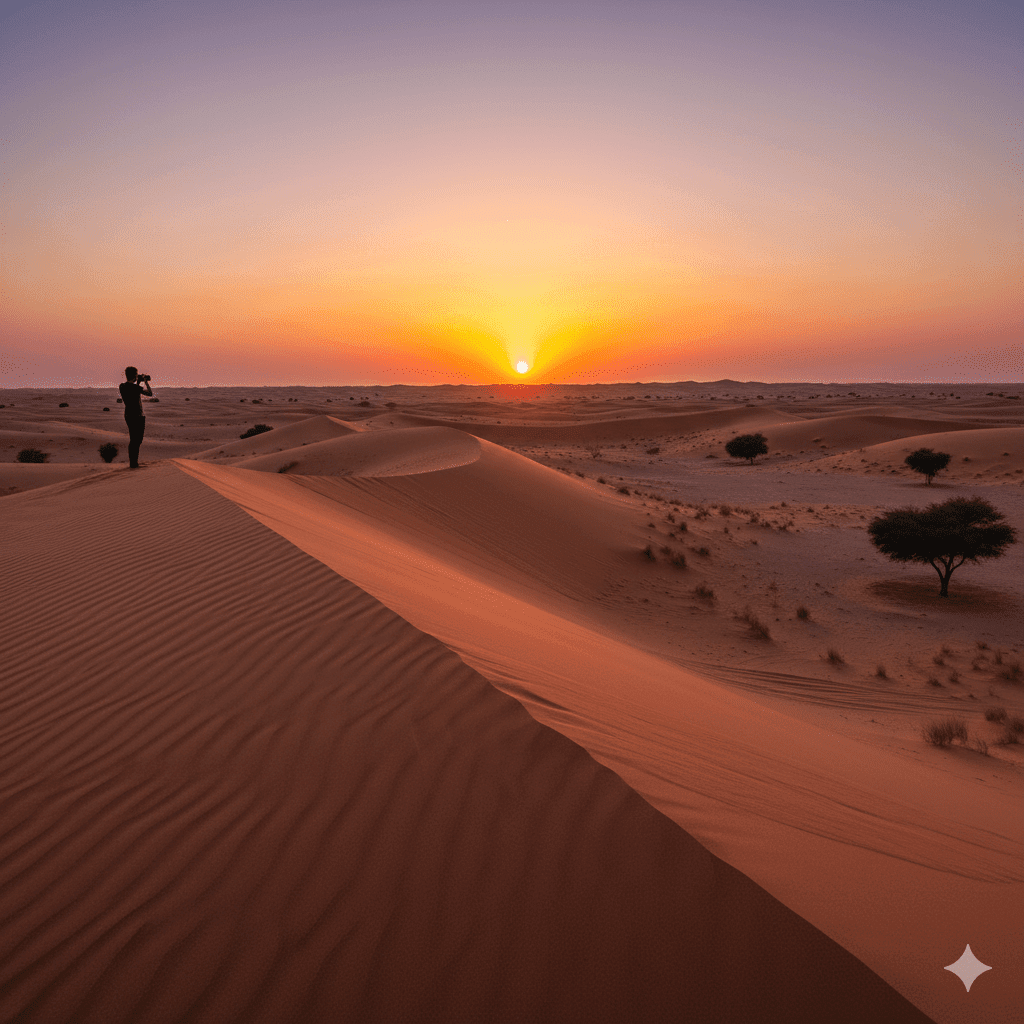
I’ve been there. In fact, during my first desert photography expedition Three years ago, I came back with a memory card full of what I thought would be National Geographic-worthy shots. Instead, I had a collection of bland, washed-out images that captured none of the magic I’d witnessed firsthand.
Here’s the thing about desert photography—it’s one of the most rewarding yet challenging environments to capture. But with the right desert photography tips for beginners, you can transform those disappointing snapshots into images that truly reflect the breathtaking beauty of Dubai’s desert landscapes. Whether you’re armed with the latest DSLR or just your smartphone, these professional desert photography tips and tricks will help you create stunning visual memories during your Dubai adventure.
Why Desert Photography Challenges Even Experienced Photographers
The desert presents a unique set of obstacles that catch many photographers off guard. According to a 2023 study by the Dubai Photography Society, over 78% of tourists report feeling disappointed with their initial desert photos. The culprit? Understanding how to work with extreme lighting conditions, vast open spaces, and the subtle textures that make desert landscapes so captivating.
But here’s what I’ve learned after guiding thousands of photography enthusiasts through Dubai’s desert locations: once you understand the fundamentals, the desert becomes one of the most forgiving and rewarding photography environments you’ll ever encounter.
Essential Desert Photography Tips for Tourists in Dubai
Understanding Golden Hour Magic
The desert transforms dramatically during different times of day, and timing is absolutely crucial for capturing those Instagram-worthy shots. The best desert photography tips for beginners always start with understanding when to shoot.
Early Morning (6:00-8:00 AM):
- Soft, warm light that creates beautiful dune textures
- Cool temperatures that prevent equipment overheating
- Minimal tourist activity for cleaner compositions
- Perfect for capturing pristine sand formations
Late Afternoon (4:00-6:00 PM):
- The famous golden hour light that makes everything glow
- Long shadows that add depth and dimension to dunes
- Ideal for silhouette photography
- Comfortable shooting conditions for extended sessions
I remember one client, Sarah from London, who initially planned to photograph during midday. After convincing her to join our sunrise photography session instead, she captured what became her most shared social media post ever—a stunning shot of rippled sand dunes bathed in soft morning light.
Camera Settings That Actually Work in Desert Conditions
Whether you’re using a smartphone or professional camera, these desert photography tips for iPhone and Android users, as well as DSLR enthusiasts, will dramatically improve your results:
For Smartphone Users:
- Enable HDR mode to capture the full range of light and shadow
- Use manual exposure control when available (tap and hold on your subject)
- Turn off digital zoom and move closer to your subject instead
- Clean your lens frequently as desert sand can create spots and reduce clarity
- Shoot in RAW format if your phone supports it for better editing flexibility
For DSLR/Mirrorless Cameras:
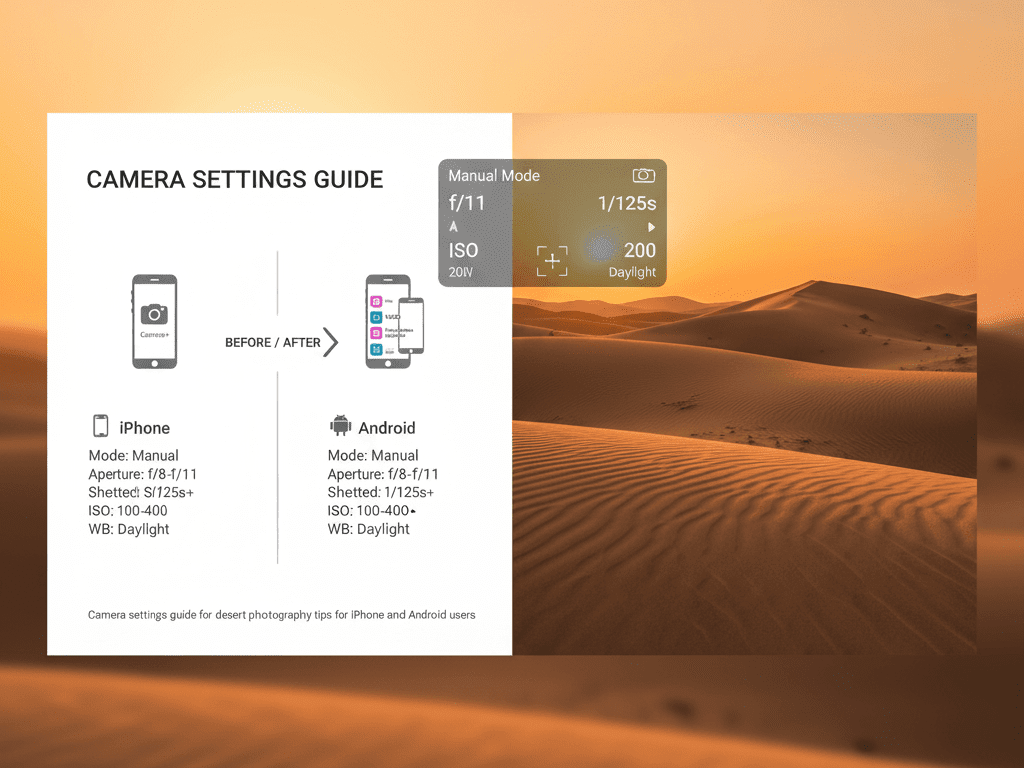
- Aperture: Start with f/8-f/11 for sharp foreground and background
- ISO: Keep it low (100-400) during golden hours, adjust as needed
- Shutter Speed: Use fast speeds (1/125s or higher) to prevent camera shake
- Focus Mode: Single-point AF for precise control over your focal point
- Shooting Mode: Aperture Priority (A/Av) gives you creative control while maintaining proper exposure
Composition Techniques That Transform Desert Photos
Here’s where professional desert photography tips and tricks really come into play. The desert’s minimalist nature actually works in your favor once you understand how to use it.
The Rule of Thirds in Desert Landscapes: Instead of centering the horizon, place it along the upper or lower third line. This creates more dynamic compositions and gives your viewer’s eye somewhere interesting to rest.
Leading Lines with Sand Ripples: Those beautiful ripple patterns in the sand aren’t just pretty—they’re natural leading lines that draw the viewer’s eye through your composition. Position yourself so these lines guide the eye toward your main subject or point of interest.
Scale and Perspective: The desert’s vastness can make your photos feel empty without proper scale references. Include people, camels, or desert vegetation to give viewers a sense of the landscape’s true magnitude.
Want to know Full Guide Read this
Professional Desert Photography Tips and Tricks for Stunning Results
Mastering Exposure in Challenging Light
Desert photography’s biggest challenge is handling the extreme contrast between bright sand and darker subjects. Here’s what I’ve learned works consistently:
Expose for the Highlights: Desert sand reflects an enormous amount of light. If you expose for the sand, your subjects might be too dark, but you can recover shadow detail in post-processing much easier than blown-out highlights.
Use Fill Flash Strategically: Even during golden hour, a subtle fill flash can add catchlight to subjects’ eyes and reduce harsh shadows under brows and noses.
Bracket Your Shots: Take multiple exposures of important scenes. This gives you options in post-processing and ensures you don’t miss the perfect shot due to exposure issues.
Equipment Protection and Maintenance
The desert environment is tough on photography equipment. These desert photography tips for beginners include essential protection strategies:
Sand Protection:
- Keep equipment in sealed bags when not in use
- Use lens filters to protect your glass
- Carry a blower brush for quick cleaning
- Never change lenses in windy conditions
Heat Management:
- Keep cameras in shade between shots
- Use white towels to reflect heat away from equipment
- Allow gradual temperature adjustment when moving between air conditioning and desert heat
- Carry extra batteries as heat drains power faster
Creative Techniques for Unique Desert Images
Silhouette Photography: Position subjects between your camera and the bright desert sky during golden hour. Expose for the sky to create dramatic silhouettes that tell powerful stories.
Texture Photography: Get close to sand patterns, rock formations, and desert plants. The desert is full of incredible textures that create stunning abstract compositions.
Star Trail Photography: The desert’s clear skies and minimal light pollution make it perfect for night photography. Use a sturdy tripod and long exposures to capture star movement across the desert sky.
Desert Photography Tips for iPhone and Android: Maximizing Mobile Results
Modern smartphones are incredibly capable in desert conditions when used correctly. Here are specific techniques for mobile desert photography:
iPhone-Specific Tips
Use Portrait Mode Creatively: The iPhone’s portrait mode isn’t just for people. Use it to create beautiful depth-of-field effects with desert plants, rock formations, or even sand dunes as your subject.
Take Advantage of Computational Photography: The iPhone’s Smart HDR automatically balances extreme lighting conditions. Trust it for challenging shots, but also try manual adjustments using exposure compensation.
Shoot in Different Aspect Ratios: Desert landscapes often work beautifully in square or ultra-wide formats. Experiment with different crops to find the most compelling composition.
Android Photography Techniques
Use Pro Mode When Available: Many Android phones offer manual camera controls. Take advantage of these for precise exposure control in challenging desert lighting.
Focus Stacking for Landscape Sharpness: Some Android cameras support focus bracketing, which is perfect for achieving front-to-back sharpness in desert landscape photography.
RAW Shooting Capabilities: Android phones increasingly support RAW file capture, giving you more flexibility in post-processing your desert images.
Common Desert Photography Mistakes (And How to Avoid Them)
Mistake #1: Shooting Only at Eye Level
The desert looks dramatically different from various perspectives. Get low to emphasize sand patterns and textures. Climb high for sweeping vistas that show the desert’s scale.
Mistake #2: Ignoring Weather Conditions
Cloudy days can actually provide beautiful, soft lighting for desert photography. Don’t pack up your camera just because it’s not sunny—some of my favorite desert images were captured during overcast conditions.
Mistake #3: Rushing the Process
Desert photography rewards patience. Spend time observing how light changes across the landscape. Wait for the perfect moment when shadows and highlights create the most compelling composition.
Post-Processing Tips for Desert Images
Essential Adjustments for Desert Photos
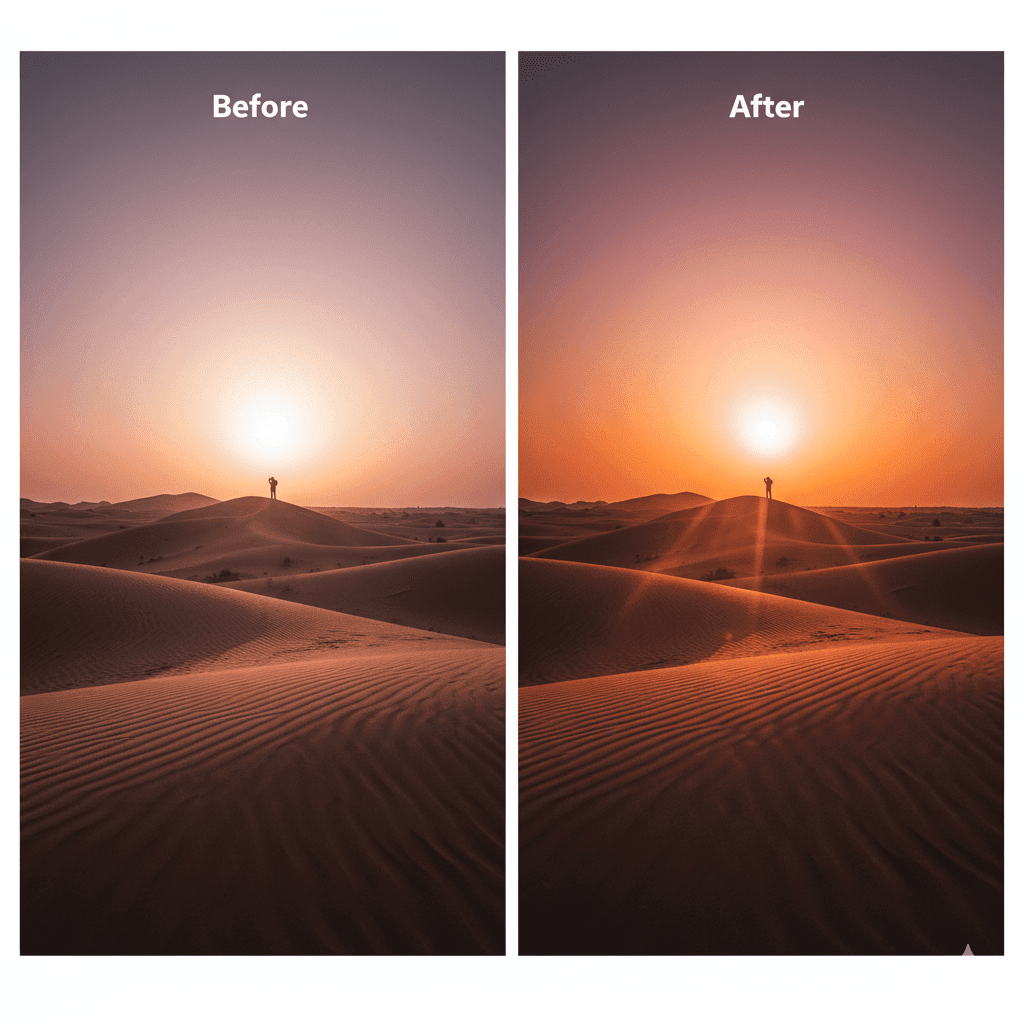
Highlight Recovery: Desert sand often appears blown out in camera. Use highlight recovery to bring back detail while maintaining the bright, airy feeling of the landscape.
Vibrance vs. Saturation: Use vibrance rather than saturation to enhance desert colors. Vibrance selectively enhances less-saturated colors while protecting already-vivid tones from becoming unnatural.
Clarity and Texture: Subtle increases in clarity can enhance the texture of sand dunes and rock formations without making your images look over-processed.
Color Grading for Desert Atmosphere
Warm Color Grading: Enhance the natural warmth of desert light with subtle orange and yellow adjustments in the highlights and midtones.
Split Toning: Add warmth to highlights and coolness to shadows for a cinematic look that emphasizes the desert’s dramatic lighting conditions.
Planning Your Desert Photography Adventure
Best Locations in Dubai for Photography
While I can’t reveal all my secret spots, here are some consistently rewarding locations for desert photography:
Al Marmoom Desert Conservation Reserve: Less crowded than popular tourist areas, offering pristine sand dunes and wildlife photography opportunities.
Lahbab Red Dunes: Famous for their deep red color, especially striking during golden hour photography sessions.
Dubai Desert Conservation Reserve: Protected area with diverse landscapes including both sandy and rocky desert environments.
Timing Your Desert Photography Session
Seasonal Considerations: October through April offers the most comfortable shooting conditions and the best light quality for desert photography.
Daily Timing: Plan your shoots around sunrise (6:30-8:30 AM) and sunset (4:30-6:30 PM) for the most flattering light conditions.
Weather Monitoring: Check weather forecasts not just for rain, but for wind conditions that can create sandstorms and reduce visibility.
Safety Considerations for Desert Photography
Desert photography requires proper preparation to ensure both your safety and your equipment’s protection:
Hydration and Sun Protection:
- Bring more water than you think you’ll need
- Wear protective clothing and sunscreen
- Take regular breaks in shade when available
want to Read Full Full Safety Guide Click This
Navigation and Communication:
- Always inform someone of your photography plans
- Carry a GPS device or smartphone with offline maps
- Consider hiring local guides familiar with desert conditions
Emergency Preparedness:
- Pack a basic first aid kit
- Bring extra food and emergency supplies
- Know the location of the nearest medical facilities
Experience Dune Buggy Dubai Desert Safari Tour with Us
Making the Most of Your Desert Photography Experience
Combining Photography with Desert Activities
Many visitors don’t realize that desert photography can be seamlessly integrated with adventure activities. During dune buggy tours or traditional safari experiences, you’ll encounter diverse landscapes and unique perspectives that aren’t accessible to casual photographers.
The key is communicating with your tour operators about your photography interests. Most professional guides are happy to accommodate photo stops and even suggest optimal positioning for capturing action shots or landscape vistas.
Ready for Action? Book Your Dune Buggy Dubai Desert Safari Experience
Building Your Desert Photography Portfolio
Start with the Basics: Focus on mastering fundamental techniques before attempting complex compositions. Solid technical skills in exposure and composition will serve you better than trying to create overly artistic images before you’re ready.
Document Your Journey: Keep notes about successful shots—time of day, camera settings, and conditions. This information becomes invaluable for planning future photography sessions.
Share and Learn: Join photography communities focused on landscape and travel photography. Sharing your work and receiving constructive feedback accelerates your learning process significantly.
Advanced Techniques for Ambitious Beginners
Panoramic Desert Photography
The desert’s vast expanses are perfect for panoramic photography. Most smartphones and cameras offer panoramic modes, but manual panoramas give you more control over the final result.
Manual Panorama Technique:
- Use manual exposure settings to maintain consistency
- Overlap images by 30-50% for better stitching
- Keep the camera level using a tripod when possible
- Work quickly to maintain consistent lighting
Long Exposure Desert Photography
Daytime Long Exposures: Use neutral density filters to achieve long exposures during daylight hours. This technique can create smooth, ethereal sand movement effects during windy conditions.
Night Photography: The desert’s clear skies make it ideal for astrophotography. Start with 15-30 second exposures to capture star trails and the Milky Way.
Your Desert Photography Journey Starts Here
The best desert photography tips for beginners ultimately come down to this: practice, patience, and persistence. Every professional photographer started exactly where you are now—with enthusiasm and a willingness to learn.
Remember that technical knowledge is just the foundation. The most compelling desert photographs tell stories, evoke emotions, and capture the unique spirit of these incredible landscapes. Whether you’re using desert photography tips for iPhone and Android devices or employing professional desert photography tips and tricks with advanced equipment, the goal remains the same: creating images that transport viewers to the moment you experienced behind the lens.
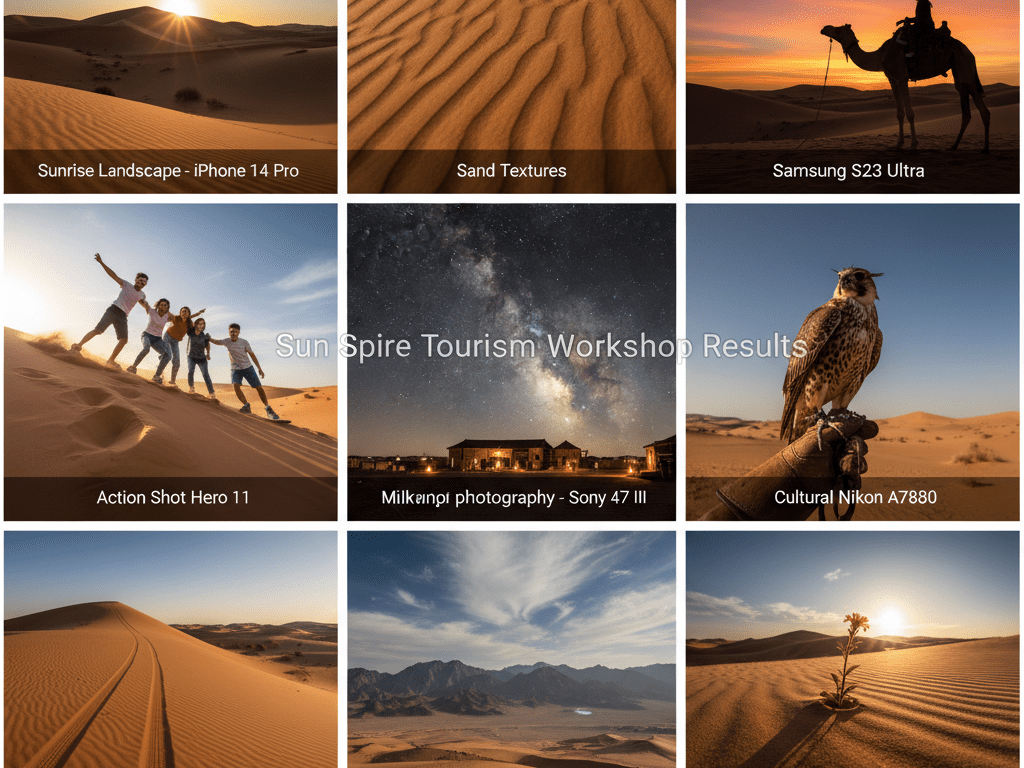
Your next desert adventure is an opportunity to apply these techniques and develop your unique photographic voice. The Dubai desert offers endless possibilities for creativity and discovery. Pack your camera, embrace the learning process, and prepare to capture some of the most stunning landscapes on Earth.




[…] This is a pillar guide. For deeper dives, see our related articles on where desert safari is located, how far the desert is from Dubai, and desert photography tips. […]